
LIFE AS A LAYER OF DESIGN
Stone, wood, metal, glass, texture, and life are the six elements we return to again and again within every environment we design. Each element serves a unique purpose, bringing different kinds of tension, balance, and feeling into a space. When one is missing, your environment can start to feel incomplete. We’ve found that life is one of the layers that is often overlooked.
Life is the element that brings energy and movement into your home. It influences your atmosphere in a subtle way. Where architecture creates structure and materials bring depth, life helps your home feel grounded and connected to nature.
LIFE AS A LAYER
Life can be introduced in a variety of simple, thoughtful ways. Plants, florals, branches, fruit, vegetables, and seasonal greenery, for instance, all bring the outdoors in. These details soften structured materials and create a natural contrast against stone, wood, metal, and glass. There’s something important about the irregularity that life brings into a space. The unpredictability of how your tree will grow, or how a bouquet will shift as it dries. These types of elements bring movement into spaces that are otherwise still, which allows your home to feel less static.
This layer also changes with each of the seasons. In winter, it may come through pine branches, deeper greenery, and fresh oranges. In spring, it may be fresh flowers and fruit baskets. In summer, it may be bringing in garden cuttings, herbs, and flowers. In fall, dried branches and gathered foliage can shift the atmosphere into something more grounded. These details may feel small, but they have a direct influence on the mood of your space.


LIFE AS MOVEMENT + PLACE
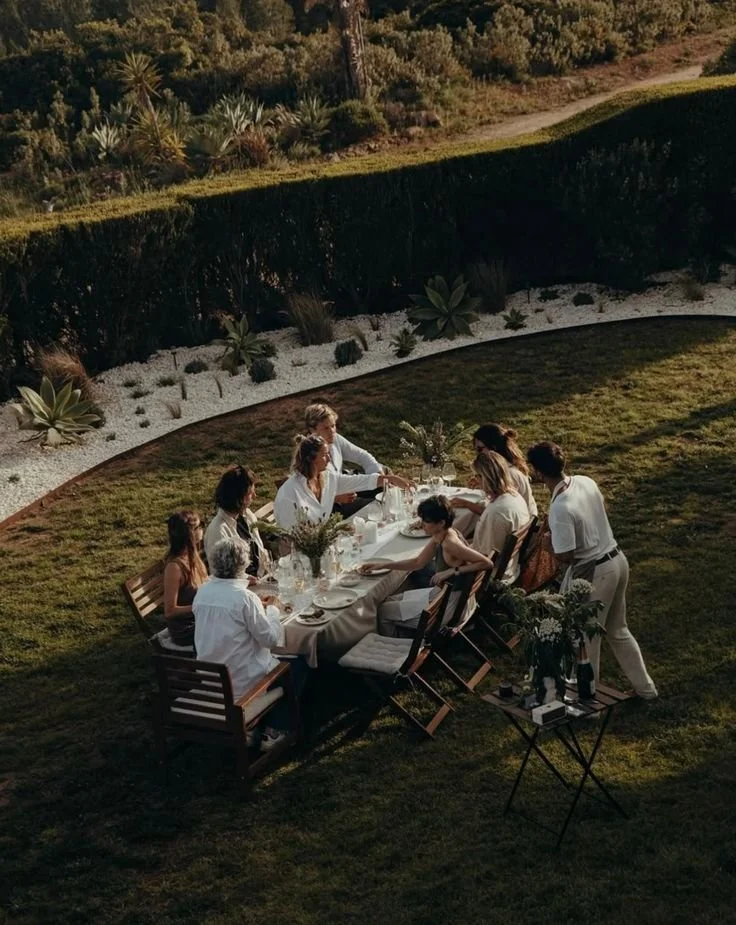
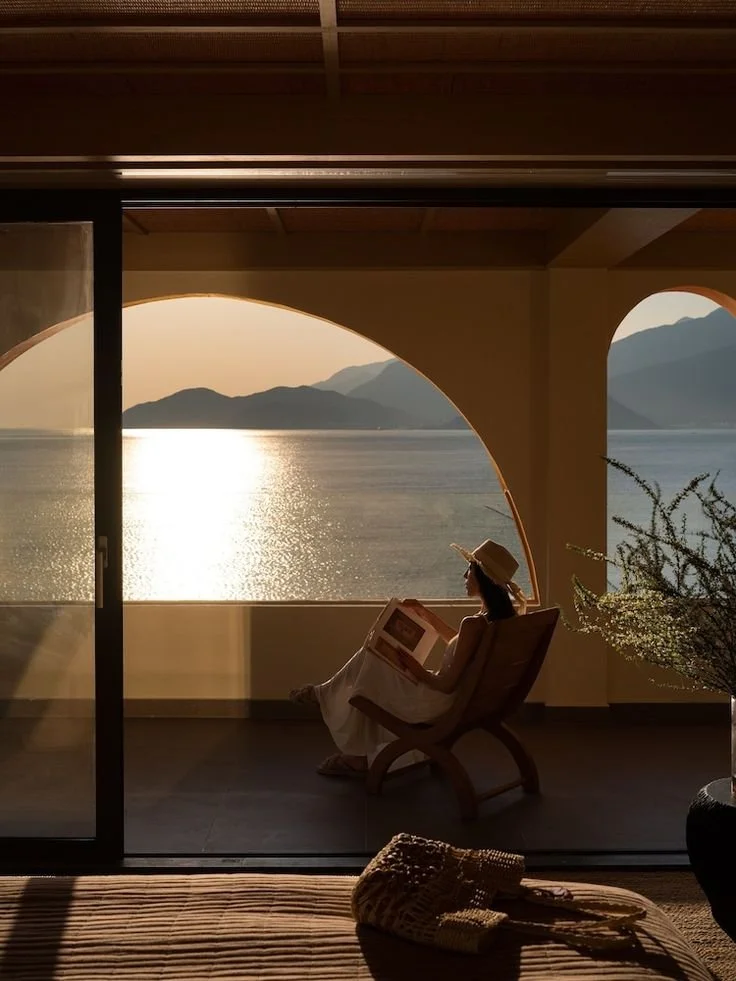
Life also extends beyond what is placed in a room. It’s not only introduced through branches, florals, and greenery. Life also comes through the way you live, gather, rest, and connect to the natural world around you. It’s about the life being lived inside the home. When we begin designing, we want to understand your hobbies, rituals, routines, and the ways you gather. We want to know how you move through your day. What you return to often. And ultimately, what kind of environment supports the way you want to live. Lifestyle influences the design process from the very beginning.
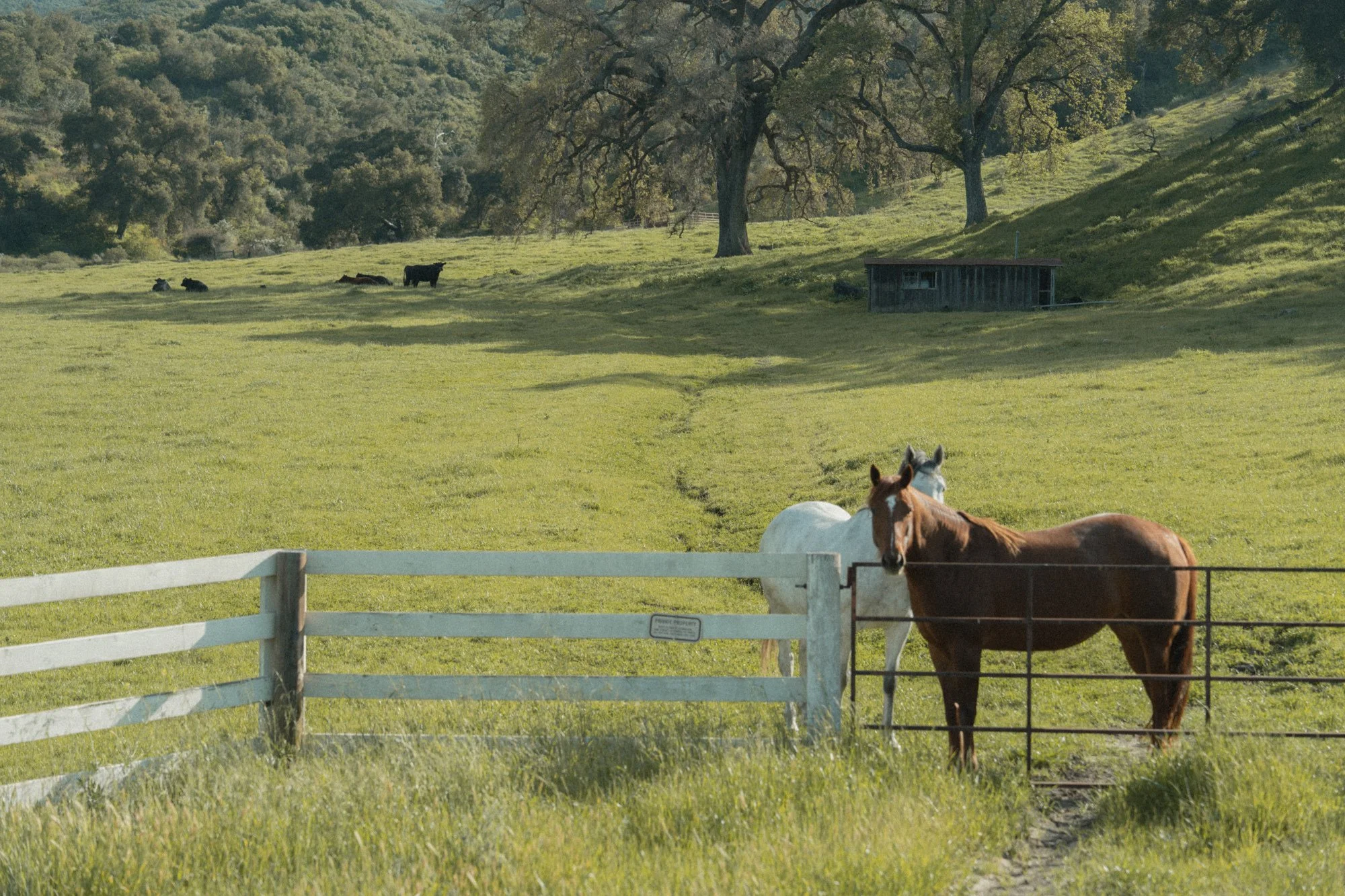
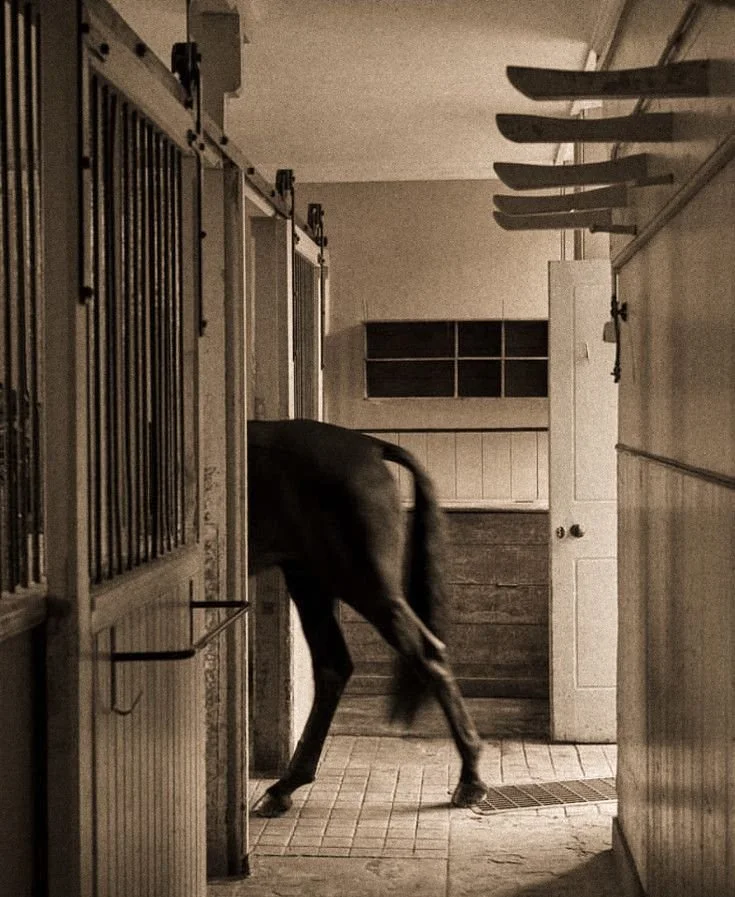
A skier or mountain athlete may need spaces that support storage, warmth, and restoration after time outside. An equestrian client may be drawn to natural materials, heritage details, and a strong connection to the land. A family who gathers often may need durable materials, generous seating, and rooms designed for ease and connection. This is where life and place begin to work in tandem with one another.
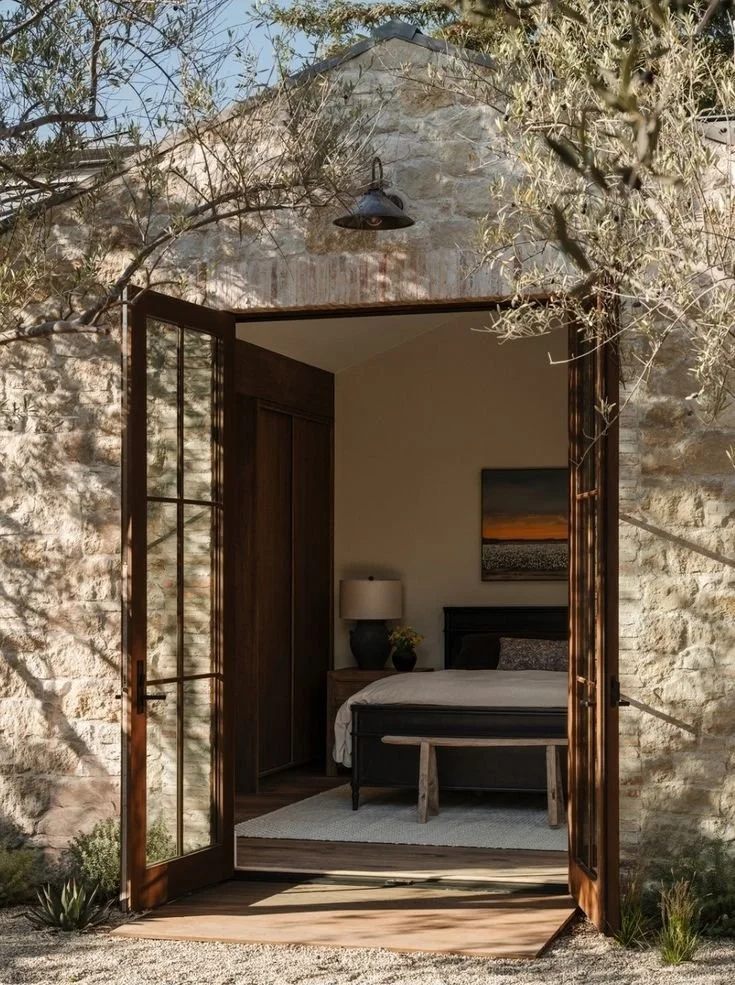
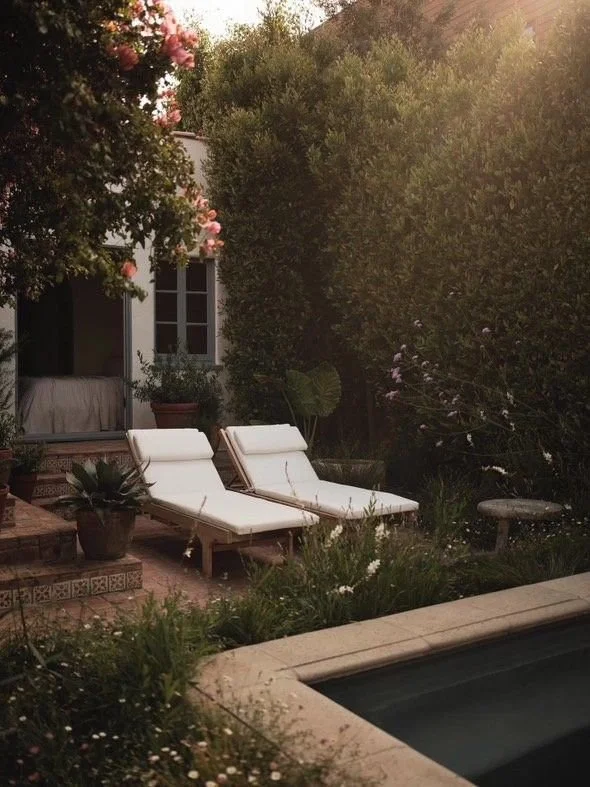
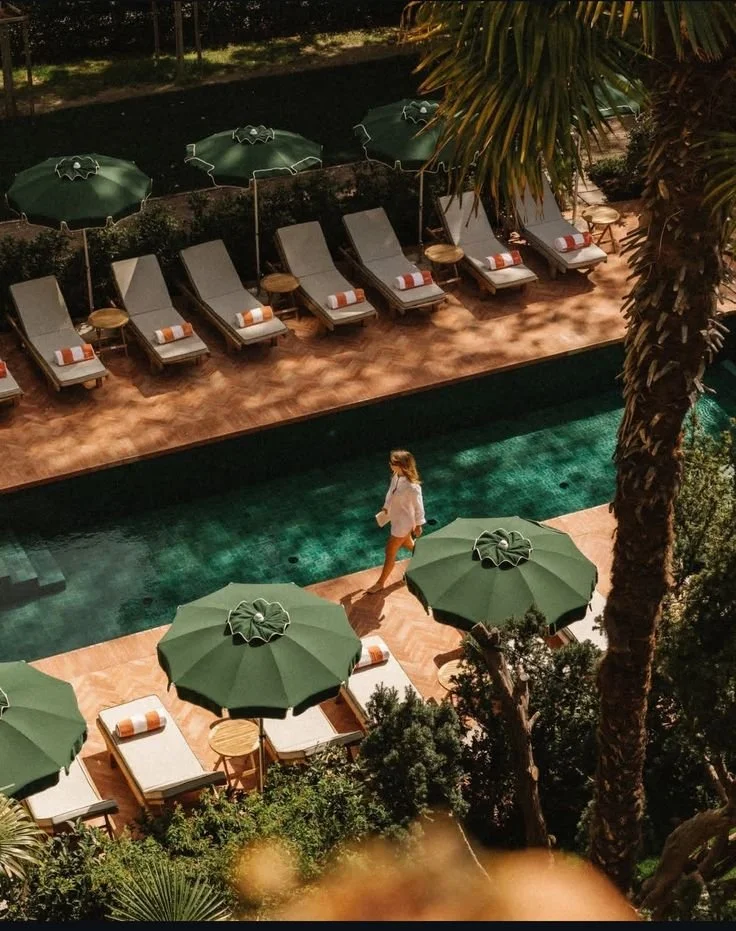
As our work continues to expand into mountain and coastal environments, indoor and outdoor living has become an even greater part of the conversation. The way you connect to the outdoors at home is shaped by where the home is physically situated. A mountain home may ask for something different than a coastal home, because the way you live in each place is different. A home surrounded by pine trees may need a different materiality than one overlooking the ocean.
Materials, finishes, and fabrics should respond to where you live and the way you move through your day. A more polished finish may feel right in one environment, while weathered stone and natural wood may better support another. The application of materials is never just about aesthetics alone, it’s also about how someone will live with them day to day. Architecture gives a space structure, but life gives it energy. It brings movement, irregularity, and a sense of grounding to your home. Life matters because your home should not only be designed to be seen, it should be designed to be lived in.